



Screen Printing on T-Shirts, Hoodies and Clothing
Screen printing is one of the most established and reliable methods of decorating clothing. The process uses a prepared mesh screen through which ink is transferred directly onto the fabric, allowing strong, consistent and durable prints to be produced.
It is particularly well suited to larger production runs, where the same design needs to be reproduced many times. Screen printing can be used on T-shirts, sweatshirts, workwear, sportswear and many other textile products.
Depending on the artwork, garment and expected finish, different ink systems, colour matching and selected special effects can also be used.
Why Choose Screen Printing?
Screen printing remains popular because it combines high durability, strong colour reproduction and efficient production for larger quantities.
Cost-Effective for Larger Orders
Once the screens have been prepared, the same design can be reproduced efficiently across a larger number of garments.
This makes screen printing particularly attractive for corporate clothing, events, promotional campaigns and merchandise.
High Print Durability
When suitable inks and correct curing parameters are used, screen-printed designs can withstand repeated washing and regular everyday use very well.
Correct curing is one of the key stages in achieving a durable finished print.
Strong, Vibrant Colours
Screen printing can produce rich, highly saturated colours on both light and dark garments.
Where required, colour references such as Pantone can help maintain consistency with a company's visual identity.
Wide Range of Applications
The technology can be used on many suitable textiles, including cotton T-shirts, sweatshirts, workwear and selected polyester garments.
Consistency and Repeatability
Once the screens and production settings have been prepared, the same artwork can be reproduced consistently across a larger production run.
This is especially important for corporate clothing and branded merchandise.
Special Printing Effects
Screen printing can also create effects that go beyond a standard flat-colour print.
What Can We Screen Print?
Popular Garments
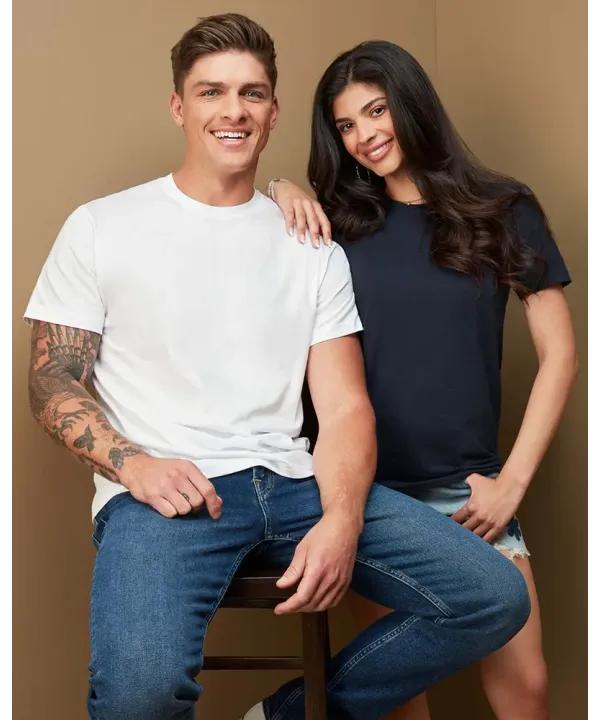
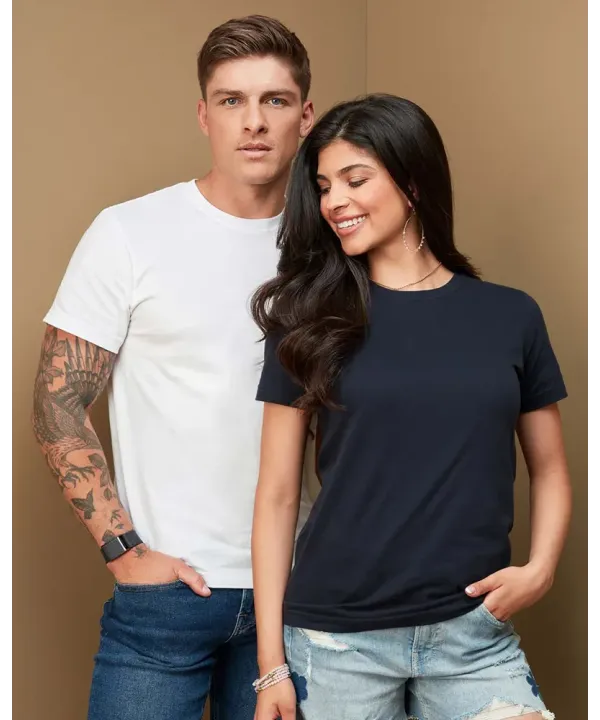
- T-shirts – corporate clothing, events and merchandise,
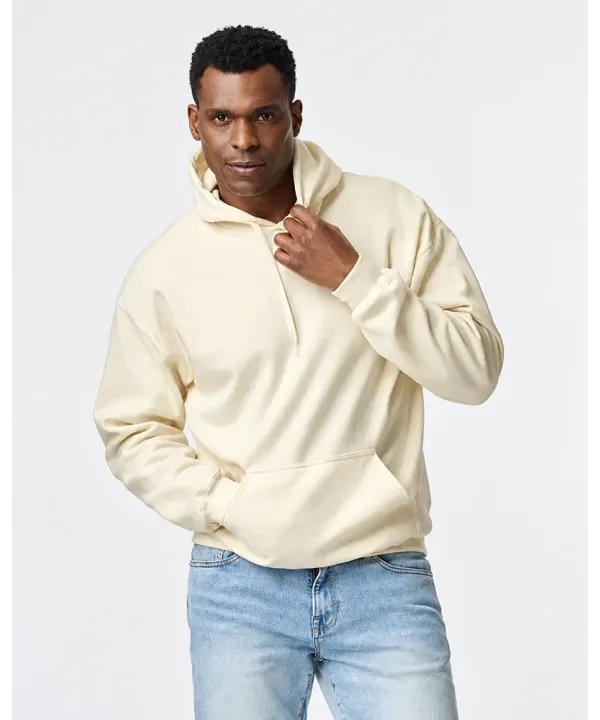
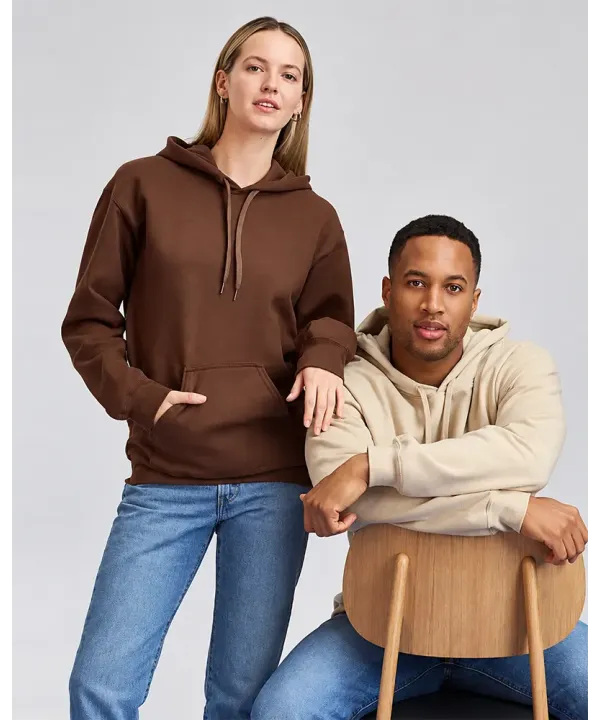
- hoodies and sweatshirts – branded clothing and merch collections,
- workwear – selected garments suitable for screen printing,
- sportswear – depending on the material and ink system,
- other textile products – after checking their fabric and construction.
Choosing the Right Technology
The printing process should always be selected according to the garment material, artwork, number of colours and intended use.
If another decoration method would provide a better result for a particular project, we can also recommend DTF, DTG, embroidery or another suitable technology.
When Is Screen Printing a Good Choice?
Screen printing is particularly useful when a larger number of garments need to be decorated with the same artwork.
- corporate clothing with a logo,
- promotional T-shirts,
- event clothing,
- sports and club garments,
- music and creator merchandise,
- larger clothing collections.
For very small quantities, highly personalised orders or artwork containing many colours and photographic details, another technology such as DTF may sometimes be more practical.
How Does Screen Printing Work?
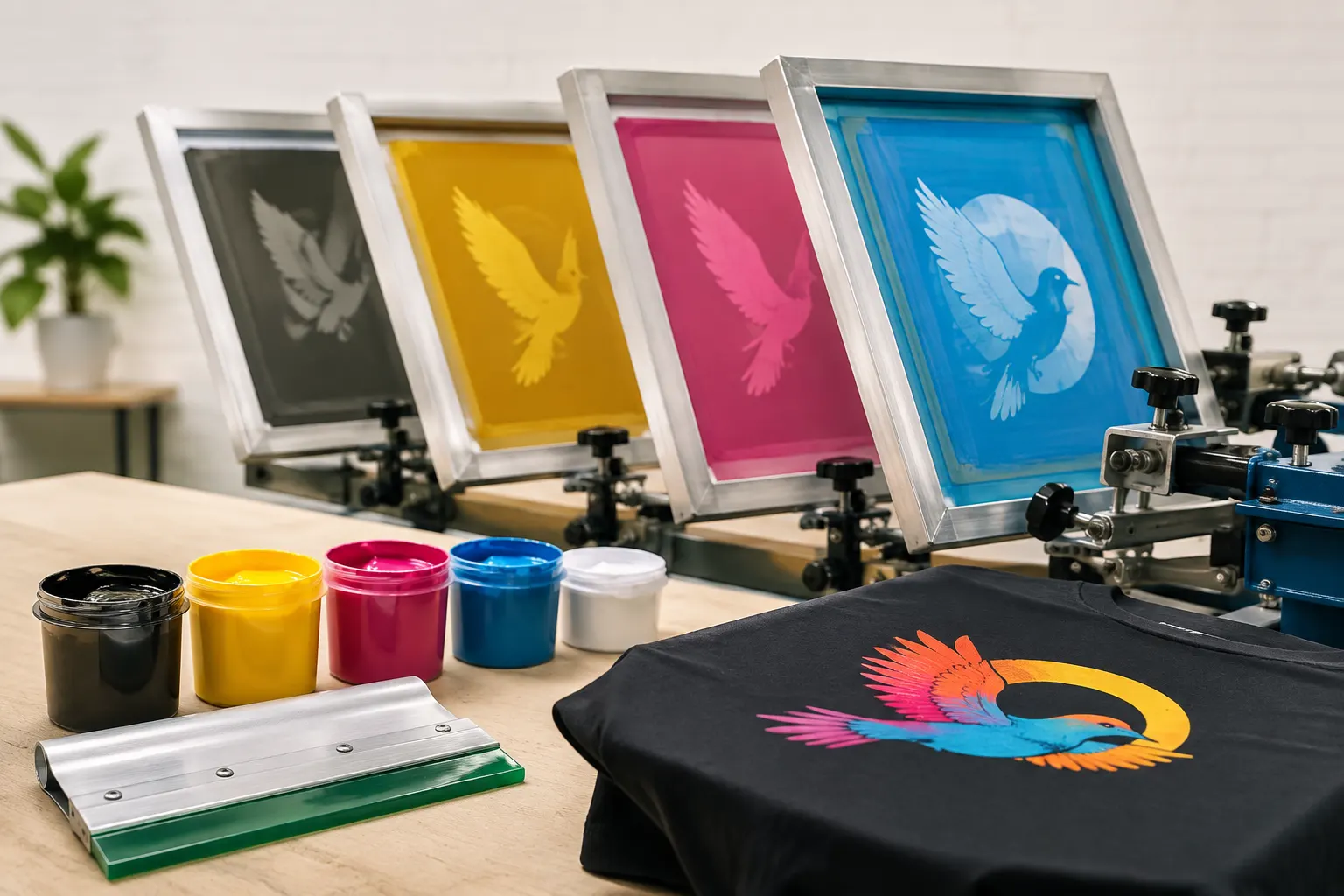
Screen printing involves transferring ink through a mesh screen prepared with a stencil corresponding to the artwork. A squeegee pushes the ink through the open areas of the mesh and directly onto the fabric.
For multi-colour designs, each colour normally requires a separate screen and precise registration.
1. Artwork and Screen Preparation
The process begins with preparing the artwork and creating a stencil on the mesh screen.
For multi-colour projects, separate screens are generally prepared for individual colours. The artwork must therefore be prepared with the production process in mind.

2. Applying the Ink
The garment is positioned on the printing station, and ink is pushed through the prepared screen using a squeegee.
When several colours are used, they are applied in separate stages. Accurate registration ensures that the individual parts of the design align correctly.
This method can produce particularly strong colours, including on dark garments.

3. Curing the Print
After printing, the ink must be cured according to the requirements of the specific ink system being used.
Correct curing helps the print achieve the required durability and resistance to normal wear and washing.

How Many Colours Can Be Used in Screen Printing?
Multi-colour screen printing is possible, but every additional colour normally requires another screen and another production stage.
This means that the number of colours influences both the complexity and the cost of production.
Simple one- or two-colour company logos can be particularly efficient, although more complex artwork can also be produced with suitable preparation.
Does Screen Printing Wash Out?
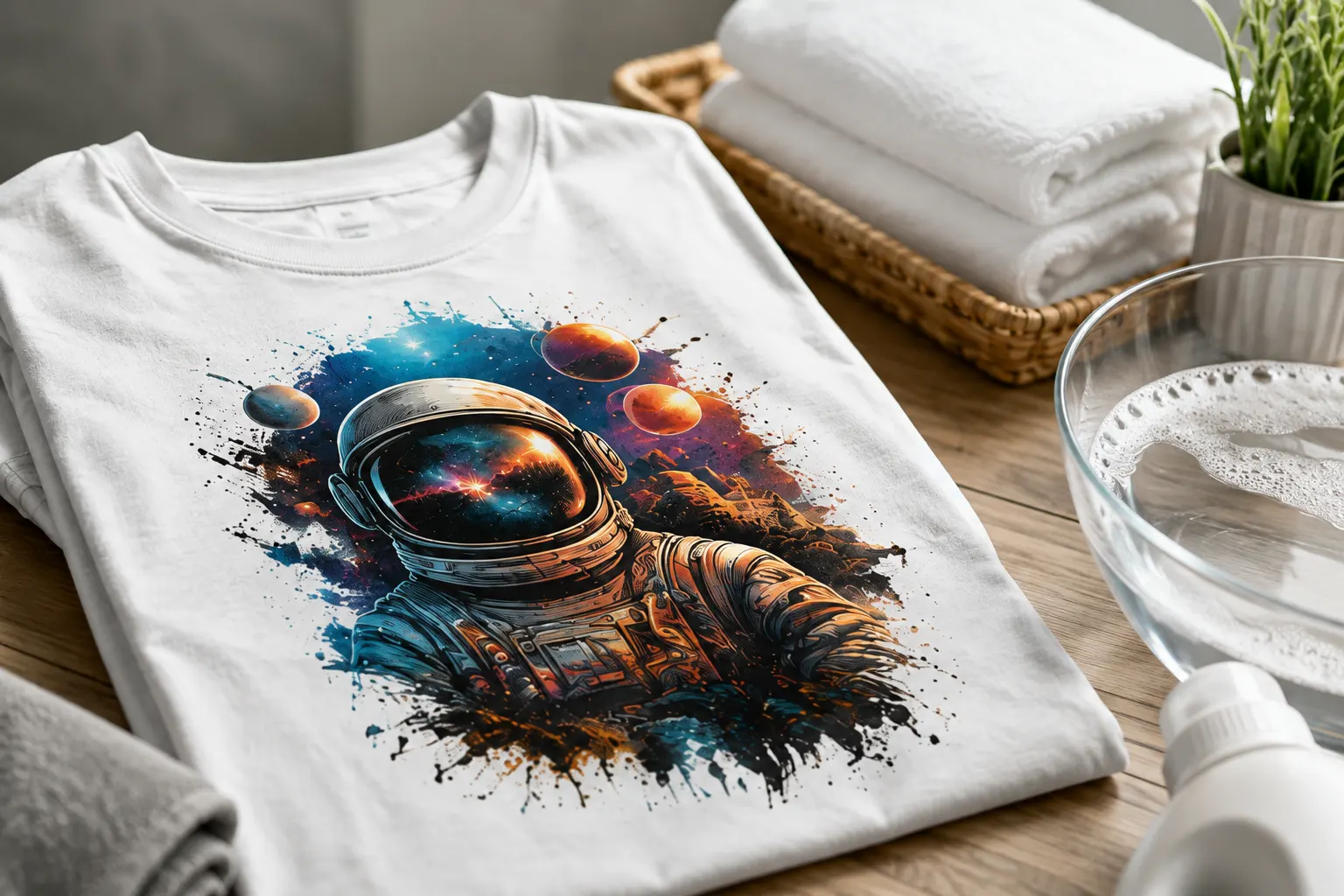
A professionally produced and correctly cured screen print can remain durable for a long time.
The final durability depends on the garment, ink system, production parameters and care of the finished product.
Following the recommended washing instructions helps preserve both the appearance and colour of the print.
Screen Printing or DTF – Which Method Should You Choose?
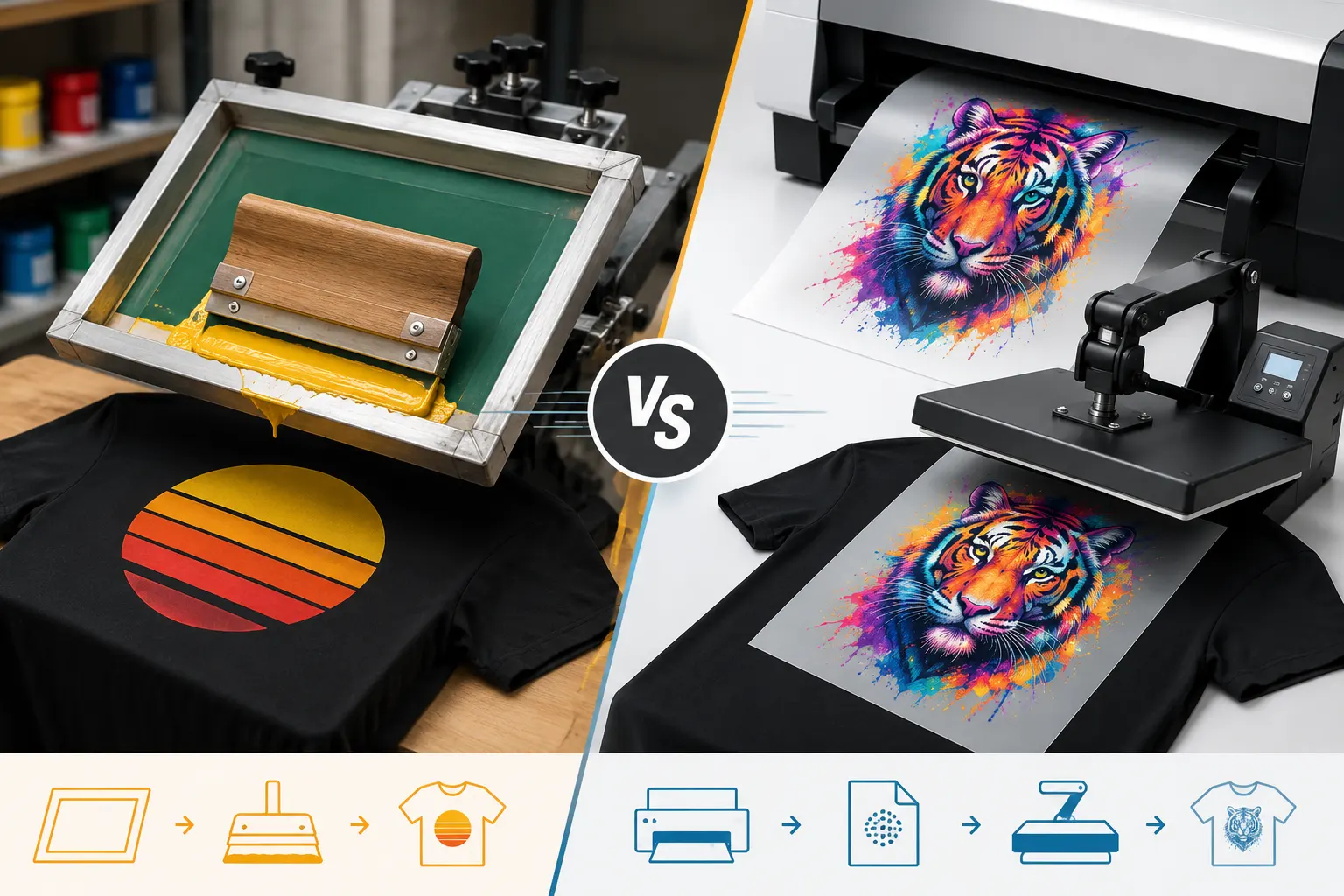
Both technologies can produce high-quality results, but they are suited to different types of projects.
Screen Printing
- particularly attractive for larger production runs,
- excellent repeatability of the same artwork,
- very strong and consistent colours,
- works well with a controlled number of colours,
- offers specialist inks and special effects.
DTF – Direct to Film
- well suited to smaller quantities,
- very flexible for many different designs,
- works well with full-colour artwork,
- suitable for highly detailed graphics,
- does not require separate screens for individual colours.
You do not need to choose the printing method yourself. Send us your artwork and planned quantity, and we can recommend the most suitable technology.
Screen Printing with Special Effects
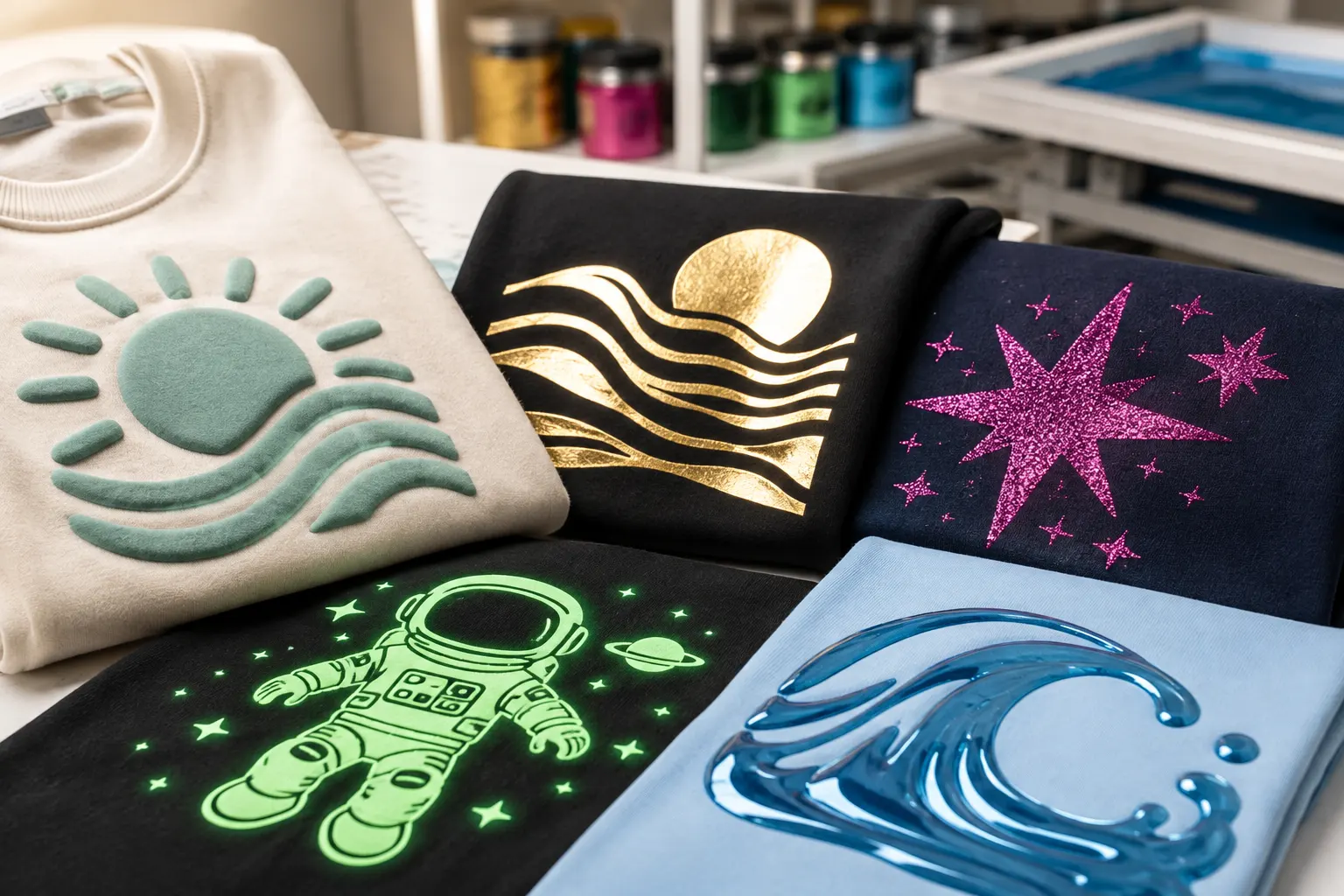
One of the interesting advantages of screen printing is the possibility of using specialist inks and decorative finishes.
Depending on the artwork and garment, options may include:
Special effects can work particularly well for merchandise, fashion projects, events and designs that need a more distinctive visual character.
Need Screen Printing for Your Clothing?
If you already have a logo, graphic or an idea for your own clothing, send us the artwork together with the planned quantity and information about the garments you would like to use.
We will review the project and advise whether screen printing is the best technology for your order, or whether another printing method would provide a better result.
Request a Screen Printing Quote
Frequently Asked Questions About Screen Printing
Is Screen Printing Suitable for Small Orders?
It can be, but because screens need to be prepared before production, screen printing generally becomes more economical as the quantity increases.
For very small orders, another technology such as DTF may sometimes be more practical.
What Is the Minimum Quantity for Screen Printing?
There is no single quantity that is ideal for every project. The economical minimum depends on the artwork, number of colours, garment type and production requirements.
Send us the design and planned quantity and we can compare the available methods.
Can Screen Printing Be Used on Dark T-Shirts?
Yes. Suitable inks and production techniques can provide strong, opaque colours on dark garments.
Can You Match a Company Logo Colour?
Screen printing allows good colour consistency across a production run. Where required, references such as Pantone colours can help define the intended colour more precisely.
Can Screen Printing Produce Special Effects?
Yes. Depending on the artwork, garment and ink system, screen printing can produce effects such as puff, metallic, glitter, glow in the dark and other specialist finishes.
What Artwork Should I Send for Screen Printing?
Vector files such as AI, EPS, SVG, CDR or a vector PDF are particularly useful for logos and simple graphics.
If you only have another file format, send us the best-quality version available. We can check whether additional preparation is required.
Is Screen Printing Better Than DTF?
Neither technology is universally better. Screen printing is often particularly attractive for larger quantities and repeatable designs, while DTF offers greater flexibility for smaller runs and complex full-colour artwork.
Leave a Comment